
Welcome to
Enisave Solutions
Home of the Infrared Surveying Specialists,

Samtam Insurance Preferred Supplier

About Us – Enisave Solutions (Pty) Ltd
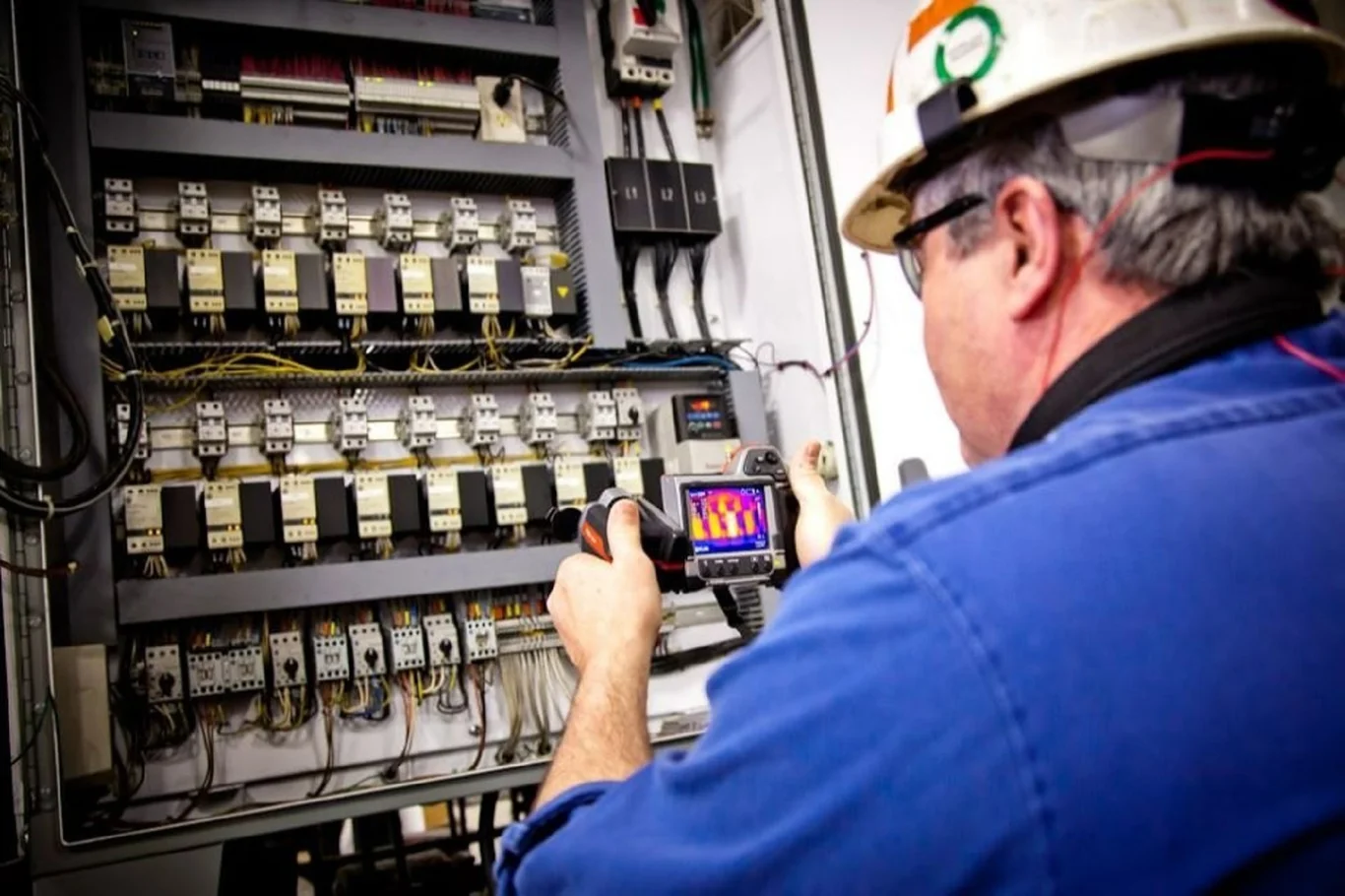
Enisave Solutions (Pty) Ltd provides professional Thermographic Surveys, Energy-Balance Audits, and Industrial Risk Assessments across South Africa. Using advanced FLIR thermal imaging technology, we detect critical temperature differentials (Delta-T) to identify faults, energy losses, and performance inefficiencies in electrical, mechanical, steam-lagging, and insulated panel systems.
Our Energy-Balance Audit process quantifies real heat loss and reveals measurable savings for industrial clients. From insurance-compliant surveys to moisture-ingress diagnostics and furnace heat-loss studies, every inspection is carried out with precision and backed by high-quality reporting.
We proudly serve as an Approved Infrared Surveying Supplier to Santam Insurance, supporting safer operations and improved energy performance for our clients nationwide.
We specialise in both electrical and mechanical thermographic surveys, providing early detection of loose connections, overloaded circuits, bearing failures, insulation breakdown, and hidden defects that compromise safety and efficiency. Whether it’s a distribution board, motor, gearbox, furnace, or steam line, our thermal diagnostics deliver clear, actionable insights that help prevent downtime, reduce risk, and optimise energy performance across your entire operation.
Proudly being of service to the following companies throughout South Africa
Our Customers






























Working together to create a safer environment
Proud to be associated with

We provide a range of Specilaised Services
Our Services
Electrical Infrared Surveys
Thermal imaging identifies loose connections, overloads, phase imbalance, and high-resistance faults before they fail—reducing fire risk, preventing downtime, and ensuring safer, more reliable electrical systems.
Click to view more
Mechanical Infrared Surveys
Thermal imaging detects bearing wear, misalignment, friction hotspots, and insulation breakdown in rotating and mechanical equipment, enabling early intervention that prevents mechanical failure, reduces downtime, and extends asset life.
Click to view more
Moisture Infrared Surveys
Infrared scanning combined with moisture testing reveals hidden water ingress in walls, ceilings, cold rooms, and insulated panels—pinpointing leaks, compromised insulation, and moisture-related structural risks without invasive inspection.
Click to view more
Steam Pipe Lagging
Thermal imaging identifies heat loss, damaged insulation, and failed lagging on steam lines. This ensures safer operation, improves thermal efficiency, reduces energy waste, and helps maintain compliance with industrial insulation standards.
Click to view more
Energy Balance Audits
Energy Balance Audits quantify real heat loss from furnaces, ovens, boilers, and insulated systems. Using thermography and engineering calculations, we identify measurable efficiency improvements and deliver actionable cost-saving insights.
Click to view more
Risk Mitigation Services
Our risk mitigation services combine thermal diagnostics, on-site inspection, and engineering insight to identify electrical, mechanical, and thermal hazards—helping clients reduce operational risk, improve reliability, and strengthen insurance compliance.
Click to view more
Thermal Image Gallery
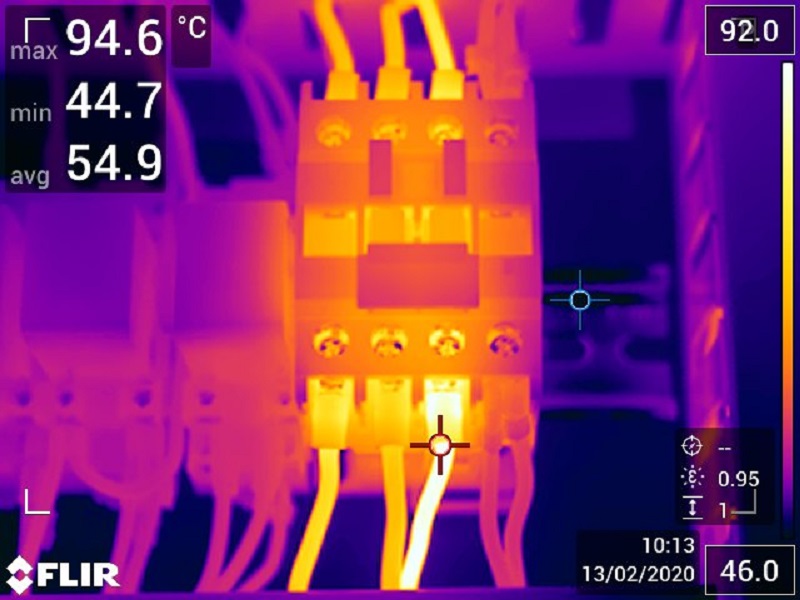
Infrared Images of different types of Equipment
- All - [Click to view different categories]
- Electrical Infrared
- Mechanical Infrared
- Boiler/Steam/Lagging Infrared
- Moisture Infrared


What our Customers are saying about us
Testimonials
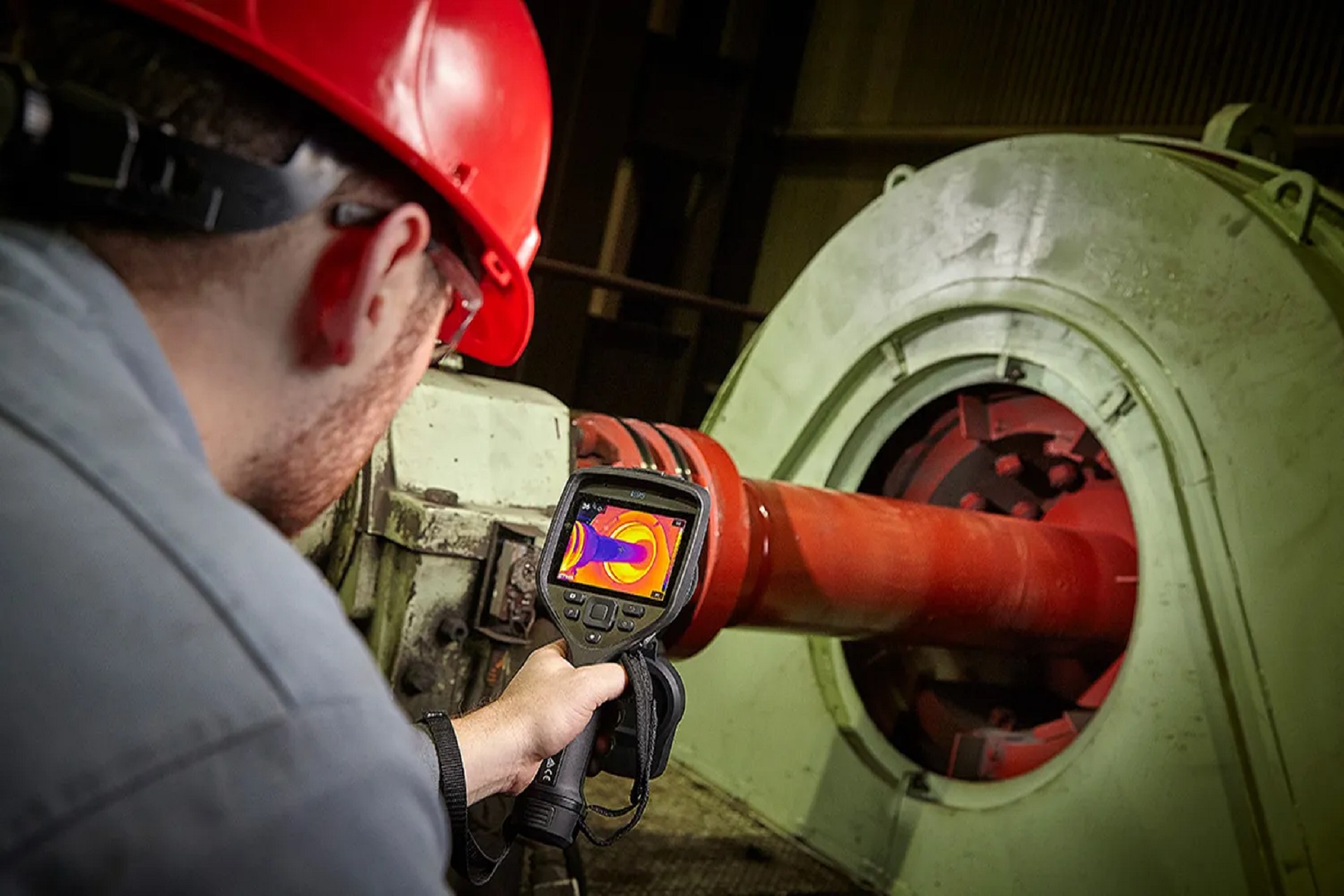
Frequently Asked Questions
Questions
-
What is infrared thermography?
Infrared thermography is a non-contact diagnostic technique that measures and visualizes temperature differences across the surface of an object. Every material above absolute zero (−273.15 °C) emits infrared radiation. A thermal imaging camera captures this radiation and converts it into a temperature-mapped image called a thermogram.
By analysing the thermal patterns, thermographers can identify hidden anomalies such as loose electrical terminations, phase imbalance, overloaded circuits, deteriorating MCCBs, failing mechanical components, moisture ingress, insulation breakdown, and areas of abnormal heat loss or gain.
Thermographic inspections are used across electrical, mechanical, building, HVAC, and industrial applications for preventive maintenance, risk reduction, energy efficiency, and insurance compliance. The technique enables early detection of faults before they develop into failures, downtime, safety hazards, or costly damage.
-
What kind of problems can you find with infrared inspection?
Infrared inspection (thermal imaging) is a non-contact diagnostic method used to detect hidden faults, abnormal heat patterns, and developing risks across electrical, mechanical, and building systems. It provides real-time temperature mapping, revealing issues that are not visible during a normal visual inspection.
Electrical faults: Detects hotspots caused by loose or high-resistance terminations, phase imbalance, overloaded circuits, failing MCCBs/MCBs, neutral overload, undersized conductors, deteriorating busbars, and uneven load distribution. These conditions often precede equipment failure or electrical fire.
Moisture ingress: Identifies temperature anomalies associated with moisture trapped in ceilings, walls, cold-room panels, or insulation. Early detection prevents structural damage, panel delamination, corrosion, and mould development.
Insulation deficiencies: Locates damaged or missing insulation in buildings, HVAC systems, cold storage rooms, and industrial equipment. Poor insulation results in unnecessary energy loss, thermal bridging, and compromised system efficiency.
Mechanical failures: Reveals abnormal heat signatures in motors, pumps, bearings, gearboxes, and rotating equipment. Thermal patterns may indicate misalignment, bearing wear, over-lubrication or under-lubrication, belt tension issues, or internal component degradation.
Energy losses and efficiency issues: Highlights excessive heat loss or heat gain in thermal systems, air leakage, poor sealing, and compromised envelopes — supporting energy audits, optimisation studies, and ISO 50001 improvement processes.
In essence, infrared inspection enables early detection of faults before they escalate into downtime, equipment failure, fire hazards, or costly operational disruptions.
-
Can the inspection be performed without any service interruptions?
Yes — infrared thermographic inspections are specifically intended to be carried out without any service interruptions. Because thermal imaging is a non-contact, non-invasive technique, electrical and mechanical systems can remain fully energised and operating under normal load while the assessment is performed.
Inspecting equipment live ensures that thermal signatures are captured under true operating conditions, allowing accurate identification of electrical faults, phase imbalance, high-resistance joints, mechanical wear, insulation breakdown, and other load-dependent anomalies.
In limited cases, access restrictions, panel design, or safety protocols (e.g., arc-flash boundaries, confined spaces, or isolated zones) may require temporary shutdown of specific equipment. When this is unavoidable, we coordinate closely with your team to maintain safety and minimise operational impact.
Overall, the ability to assess energised systems is one of the main advantages of thermography — enabling early fault detection while maintaining continuity, uptime, and production integrity.
-
What kind of report can I expect at the end of the inspection?
At the end of the thermographic inspection, you will receive a professionally structured, insurance-compliant report detailing all findings, measurements, and recommended corrective actions. The report includes:
- Executive Summary: A concise overview of the overall system condition, critical risks, and priority actions.
- Inspection Methodology: Equipment used (camera model, emissivity settings), survey conditions, operating loads, environmental factors, and any limitations encountered.
- Annotated Thermal Images: Side-by-side thermal and visual images for each finding, including temperature measurements, ΔT (delta-temperature), and observed patterns.
- Findings & Technical Observations: Detailed explanations of each anomaly, including phase information, load balance, contributing factors, and the likely failure mode.
- Risk Severity Classification: Each issue rated using a structured severity scale (e.g., P1–P4 or Critical / Serious / Moderate / Low) for insurance and engineering compliance.
- Recommendations: Clear corrective actions prioritised according to risk, safety relevance, thermal severity, and operational impact.
- Conclusion & Full Appendix: Summary of the site condition, as well as a complete appendix containing all thermal images, notes, and supporting data.
Your completed report is issued within 24 hours of the survey, ensuring rapid feedback for maintenance teams, engineering reviewers, or insurers.
-
We have a brand new building with all new switchgear and equipment. Why do we need an infrared survey?
Even in a brand-new facility with newly installed switchgear, DBs, and mechanical equipment, an infrared thermographic survey remains essential for verifying installation quality, detecting early defects, and establishing a performance baseline. New equipment does not guarantee defect-free operation. Key reasons include:
- Early Detection of Hidden Defects: Manufacturing variances, incorrect crimping, under-torqued lugs, poor ferrule installation, and internal component defects often go undetected during commissioning — but show up immediately under thermal load.
- Installation Quality Verification: A thermographic scan confirms that all terminations, breakers, busbars, and cable joints are performing correctly under actual operating load. This protects warranties and ensures the installation meets design specifications.
- Baseline Thermal Signature: A new-build survey provides reference thermal data for future comparisons — critical for trend analysis, preventative maintenance, and insurance audits.
- Load and Phase Balance Confirmation: Even new systems can suffer from uneven load distribution or incorrectly allocated circuits. Thermography visually confirms balanced operation and identifies issues early.
- Energy-Efficiency Validation: In newly commissioned facilities, thermal imaging helps uncover HVAC inefficiencies, insulation gaps, and thermal bridging before they cause unnecessary energy loss.
- Fire and Safety Risk Reduction: New installations can still contain latent hazards such as loose terminations, faulty MCCBs, or incorrectly fitted cables — all potential fire-risk points detectable through thermal inspection.
A new facility deserves verified assurance. Infrared thermography provides the first independent confirmation that your electrical and mechanical systems are safe, correctly installed, and operating exactly as intended from day one.
-
Why do insurance companies ask for an infrared inspection?
Insurance companies request infrared thermographic inspections because they significantly reduce electrical risk, improve policy compliance, and provide verifiable evidence of equipment condition. The findings directly impact the likelihood and severity of fire-related claims — one of the highest-loss categories for insurers.
- Risk Mitigation: Thermal imaging detects overheating breakers, loose terminations, phase imbalance, overloaded circuits, and deteriorated switchgear before they develop into electrical fires or equipment failure — reducing the insurer’s exposure to major losses.
- Documented Proof of Condition: A thermographic report provides timestamped, image-based evidence of system health. This protects both the insurer and insured by clarifying pre-loss condition and speeding up claim validation.
- Premium and Policy Benefits: Many insurers offer improved premiums, favourable underwriting terms, or reduced excess when clients demonstrate proactive risk management by performing annual infrared inspections.
- Compliance for High-Risk Environments: Industrial, commercial, and high-load facilities are often required by underwriters to undergo annual thermographic assessments as part of their risk compliance obligations — particularly where continuous electrical load is present.
- Improved Underwriting Accuracy: Thermal data allows insurers to assess the true risk profile of a facility, ensuring coverage reflects real conditions and helping prevent disputes related to undisclosed hazards.
In short, infrared inspections are a proven risk-reduction tool. They help insurers prevent costly losses while giving clients confidence that their electrical infrastructure is safe, compliant, and fully documented.
Contact
Contact Us
Address
Amanzimtoti, Durban, 4126
Call Us
+27 (0) 31 903 1818
+27 (0) 82 375 6543