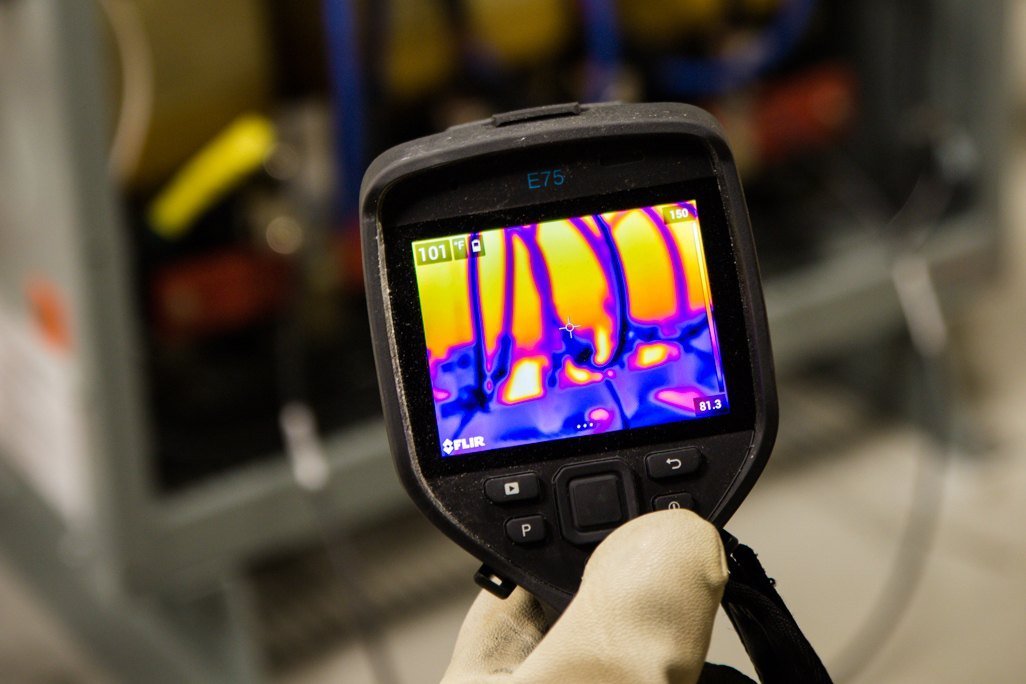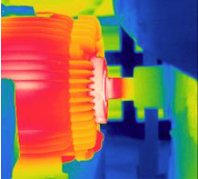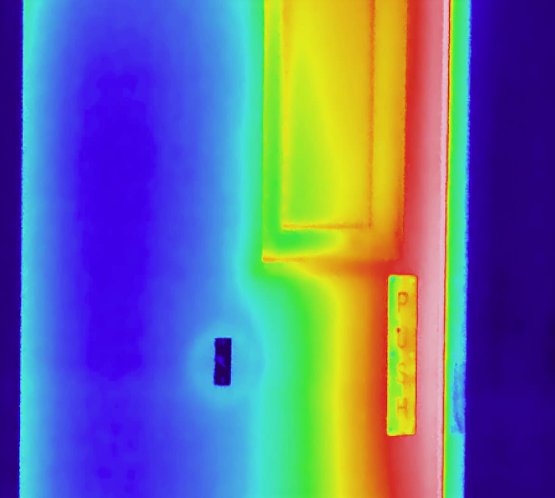
What Does a Thermographic Survey Actually Detect?
A practical guide to the thermal anomalies, electrical faults, and mechanical defects that infrared surveys identify — and why they matter before they become failures.
Read article →Expert guidance on thermographic inspection, fire prevention, insurance compliance, and infrared technology — written by qualified thermographers.
Enisave Solutions publishes practical, expert-written articles covering thermographic inspection techniques, electrical fire prevention, insurance requirements, and industry developments across South Africa. All content is written by our qualified, ITC-certified thermographers with direct field experience.
A practical guide to the thermal anomalies, electrical faults, and mechanical defects that infrared surveys identify — and why they matter before they become failures.
Read article →
Insurance underwriters across South Africa are tightening their requirements. Here is what is driving the change, what they expect, and how to stay compliant at renewal.
Read article →Fire was the number one business risk in South Africa in 2025. Most incidents link directly to electrical faults and aged infrastructure. Here is what facility managers need to know.
Read article →Your thermographer has delivered a report. Here is how to interpret the severity classifications, ΔT values, thermal images, and recommended actions — and what to do next.
Read article →Both disciplines use the same technology but serve very different purposes. Understanding the difference helps you schedule the right survey for the right asset.
Read article →
Not all thermographers are equal in the eyes of your insurer. Here is what Santam's Preferred Supplier designation means, why it matters, and how it affects your policy and claims.
Read article →
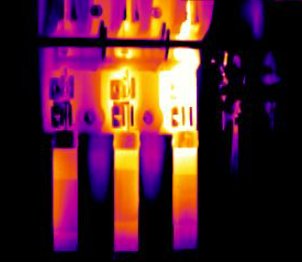
Electrical fires are a leading cause of major commercial losses in South Africa. Here is why Santam, Hollard, and Bryte are formalising thermographic survey requirements — and what compliance looks like.
Read article →Phase imbalance drives motor overheating, reduced equipment life, and fire risk — but produces no visible symptom until failure is imminent. How thermography detects and classifies it.
Read article →Bearing degradation follows a predictable thermal signature detectable weeks before catastrophic failure. How thermography identifies Stage 2–3 bearing deterioration and enables planned replacement.
Read article →PUF, PIR, and EPS panel insulation failure is invisible from the exterior until structural damage forces the issue. How thermography and moisture metering identify compromised panels non-invasively.
Read article →